

Synopsis
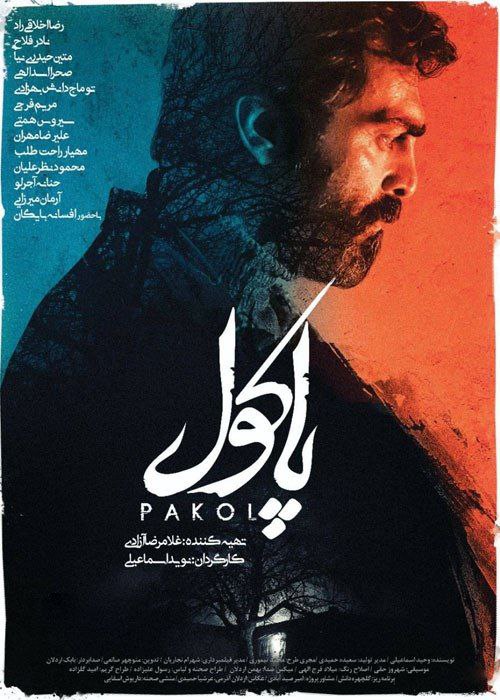
Amir, an Iranian boy, has a changed perspective on his daily life, but one day, when his fate intersects with an Afghan girl, nature shows him that he can prove himself more than he thinks…
دیدگاه امیر پسری ایرانی نسبت به چرخه زندگی روزمرهاش تغییر کرده است، اما روزی با تلاقی سرنوشتش با یک دختر افغانستانی، طبیعت به او نشان میدهد که میتواند بیشتر از آنچه فکر میکند خودش را ثابت کند…
Introduction & Premise
Iranian cinema has long excelled at capturing the quiet, profound shifts in human consciousness that occur against the backdrop of harsh socio-economic realities. Pakol (Persian: پاکول), the compelling feature drama directed by Navid Esmaeili, is a striking testament to this cinematic tradition. The film centers on Amir, an Iranian boy whose worldview regarding his mundane, everyday routine undergoes a sudden transformation. When an unexpected twist of fate brings him into the orbit of a young Afghan girl, Amir is thrust into a journey of self-discovery where nature and circumstance conspire to prove that his capabilities far exceed his own imagination.
Plot & Themes (Spoiler-Free)
At its core, Pakol explores the delicate intersections of identity, displacement, and personal awakening. Esmaeili crafts a narrative that moves beyond traditional coming-of-age tropes, embedding the story within the complex realities of modern regional migration and cross-cultural empathy. Key thematic elements of the film include:
- The shattering of adolescent complacency through sudden, life-altering encounters.
- The shared human experience of resilience and dignity in the face of adversity.
- The symbolic role of the natural world as a mirror for internal human strength.
- Bridges built across borders through quiet acts of compassion and mutual understanding.
Creative Vision & Direction
Director Navid Esmaeili approaches the material with a documentarian’s eye for authentic detail and a poet’s appreciation for visual subtext. Esmaeili avoids melodramatic traps, choosing instead to let the rugged landscapes and unhurried pacing dictate the emotional rhythm of the movie. Every frame feels deliberately composed to reflect the internal weight carried by the characters, allowing the audience to absorb the atmosphere of the narrative organically.
Performances & Cast Highlights
The emotional resonance of Pakol rests heavily on a phenomenal ensemble cast that blends seasoned Iranian acting veterans with fresh, compelling youth talent. Young actor Matin Heydarnia delivers a grounded and nuanced performance as Amir, capturing the exact titration of youthful uncertainty and sudden bravery. The supporting cast—featuring the esteemed Afsaneh Bayegan, Alireza Mehran, Nader Fallah, Reza Akhlaghirad, Sahra Asadollahi, and Toomaj Daneshbehazadi—brings immense gravity to the production. Each performer grounds their character in profound authenticity, elevating the interwoven subplots and enriching the cinematic canvas.
Production Background
Brought to life through meticulous attention to regional authenticity, Pakol stands out as a collaborative triumph within the independent Iranian film landscape. From the sound design that captures the whispering winds of the locations to the naturalistic cinematography, every production department worked in tandem to mirror Esmaeili’s singular vision. The film avoids artificial gloss, favoring a tactile, lived-in aesthetic that honors the hardships and quiet triumphs of its characters.
Why It’s Worth Watching / Critical Reception
For cinephiles tracking the evolution of international drama and contemporary Iranian cinema, Pakol is an essential viewing experience. It offers a rare blend of intimate character study and broader sociopolitical resonance without ever feeling didactic. Navid Esmaeili has delivered a poignant, beautifully acted, and visually evocative film that lingers in the mind long after the credits roll. Whether you are discovering the fresh brilliance of Matin Heydarnia or appreciating the masterclasses delivered by veterans like Nader Fallah and Afsaneh Bayegan, this cinematic entry proves that the most powerful stories often arise from unexpected human connections.

Me ajax yea fil he khoob .