Synopsis
داستان مردی است که با هدف انتقام به حاشیه شهر میآید و در این راه زنی اسلحهای در اختیارش میگذارد که…
Introduction & Premise
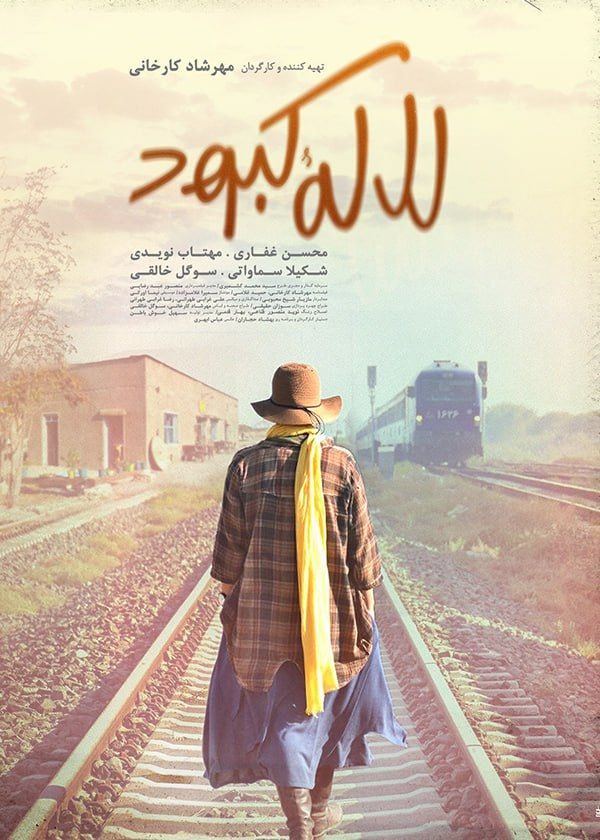
As the contemporary Iranian cinematic landscape continues to explore the intersections of social realism and hard-boiled crime fiction, director Mehrshad Karkhani returns with a striking new feature, Laleye Kabood (لالهی کبود). Premiering on February 23, 2026, this gritty drama delves deep into the margins of society, blending tales of labor unrest with a relentless quest for retribution. Karkhani, known for his urban-centric storytelling, frames a world where the personal and the political violently collide, offering global streaming audiences a raw look at contemporary resilience and vengeance.
Plot & Themes (Spoiler-Free)
The narrative of Laleye Kabood centers on Yaghma, a protesting worker whose life is upended after he and his close companion are betrayed by a powerful local criminal syndicate. Following the tragic execution of his friend, Yaghma bears the devastating burden of delivering the news to Parva, the victim’s sister. Parva is employed at a remote café run by Mahtab, a lonely, mysterious woman operating on the desolate fringes of the city.
Fuelled by grief and anger, Yaghma seeks vengeance against the syndicate that destroyed his life. Surprisingly, Parva chooses to accompany him on this dangerous path. The film explores profound themes:
- The heavy toll of labor exploitation and political betrayal
- The psychology of grief and the driving force of revenge
- The solidarity found among society’s most isolated outcasts
- Urban alienation, captured through the bleak, atmospheric edges of the city
Creative Vision & Direction
Mehrshad Karkhani brings a distinct visual grammar to Laleye Kabood, treating the urban sprawl and its desolate outskirts almost as characters in their own right. True to the logline describing a man who arrives at the city’s margins seeking revenge only to be handed a fateful weapon by a mysterious woman, Karkhani balances atmospheric suspense with grounded socio-political commentary. His direction steers clear of glossy melodrama, favoring instead a grounded, neo-noir texture that echoes the struggles of ordinary individuals pitted against entrenched systemic corruption.
Performances & Cast Highlights
The film boasts a robust ensemble cast that brings emotional authenticity to the grim storyline. Led by Bashid Edrisi and Hamid Rahimi, the movie benefits from grounded portrayals of working-class desperation and moral ambiguity. They are joined by Hossein Zeynali, Mahtab Navidi in the pivotal role of the enigmatic café owner, and Mohsen Ghaffari. The supporting talents—including Roya Mohammadi, Saba Fadaei, Shakila Samavati, and Sogol Khaleghi—round out a cohesive cast whose interactions anchor the high-stakes narrative in tangible human emotion.
Production Background
Laleye Kabood stands out in Karkhani’s filmography for its tight integration of classical crime thriller tropes with the socio-economic realities of modern Iran. By utilizing remote locations and sparse, industrial settings, the production design emphasizes isolation and peril. The deliberate pacing allows the mounting tension between Yaghma, Parva, and the shadowy forces operating in the background to simmer before reaching a boiling point.
Why It’s Worth Watching
For cinephiles and enthusiasts of international drama and regional cinema, Laleye Kabood is an essential watch. It offers a masterclass in mood-building and narrative tension, avoiding easy resolutions in favor of a complex look at justice and survival. Whether you are drawn to gripping revenge thrillers or socially conscious cinema driven by strong performances, Mehrshad Karkhani’s latest cinematic outing promises to leave a lasting impression on contemporary film discourse.