Synopsis
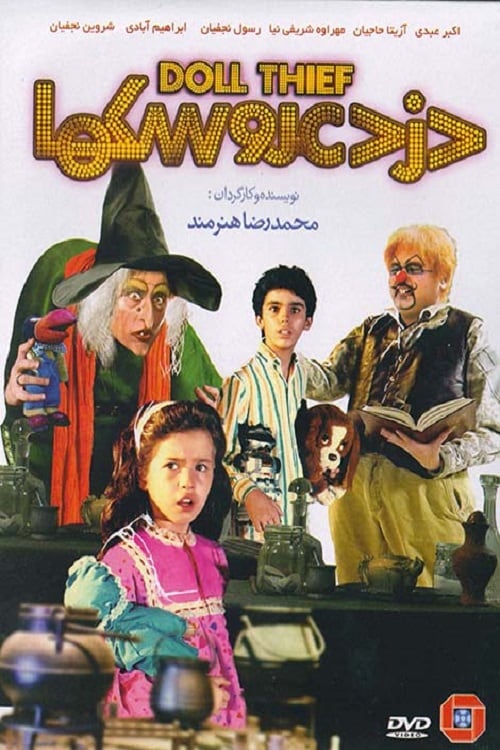
Leila and Bahram’s mother is supposed to rescue her children from the troubles of their homeowners, home-grown, by buying a home loan and buying a home. But the hangman who lives outside the city does not want to see them calmly..
Introduction & Premise
Stepping into the rich and imaginative landscape of classic Iranian cinema, Dozde Aroosak-Ha (known in English as The Doll Thieves) stands out as a unique cinematic achievement. Released on February 3, 1990, and directed by the visionary filmmaker Mohammad Reza Honarmand, this feature film brilliantly bridges the gap between family entertainment and social commentary. Blending elements of comedy and crime, the movie captures a specific era of post-revolutionary Iranian storytelling, where fantasy and folklore intertwine with the harsh realities of everyday urban life.
Plot & Themes (Spoiler-Free)
The narrative revolves around a struggling mother, Leila, and her children, Bahram, who find themselves at the mercy of their demanding and difficult landlords. Desperate for stability, the mother strives to secure a home loan to finally purchase a modest house of their own, promising her children peace and security. However, their modest dreams are fiercely contested by an eccentric, malevolent figure known as the “hangman,” who lives on the outskirts of the city and is determined to disrupt their path to tranquility.
Underneath its whimsical surface, the film explores profound themes:
- The relentless pursuit of housing security in a rapidly changing urban environment.
- The resilience of family bonds when faced with economic and social pressures.
- The clash between innocent childhood imagination and adult cynicism.
Creative Vision & Direction
Director Mohammad Reza Honarmand is celebrated for his ability to navigate diverse genres, ranging from biting satire to profound drama. In Dozde Aroosak-Ha, Honarmand utilizes a stylized aesthetic that incorporates live-action performance with fantastical elements, particularly through the clever use of dolls that come alive to reflect the inner turmoil and hopes of the young protagonists. His direction maintains a brisk comedic pace while grounding the high-stakes crime elements in genuine emotional stakes.
Performances & Cast Highlights
The film boasts an exceptional ensemble cast of Iranian cinema and television veterans who bring depth and humor to their respective roles:
- Akbar Abdi: Delivers a memorable, larger-than-life performance that showcases his unmatched comedic timing.
- Azita Hajian: Portrays the resilient mother with grace, emotional depth, and fierce maternal determination.
- Farhang Mehrparvar & Manouchehr Azari: Add layers of comedic relief and character texture to the sprawling narrative.
- Shervin Najafian: Provides youthful sincerity, anchoring the magical realism of the film’s juvenile perspective.
Production Background
Produced during a transitional period for Iranian cinema in the early 1990s, Dozde Aroosak-Ha reflects the industry’s growing ambition to innovate within family-friendly and genre-blending formats. Crafting a seamless blend of practical effects, imaginative set design, and sharp comedic writing, the production crew successfully built a stylized world that felt both familiar to Iranian audiences and enchanting to younger viewers.
Why It’s Worth Watching / Critical Reception
For cinephiles and international audiences eager to explore the breadth of Iranian film history beyond stark social realism, Dozde Aroosak-Ha offers a delightful and intellectually stimulating detour. Mohammad Reza Honarmand’s deft handling of tone ensures that the film remains relevant, charming, and culturally resonant decades after its initial 1990 premiere. Whether you are discovering classic Middle Eastern comedies for the first time or deep-diving into the filmographies of its stellar cast, this whimsical feature remains a treasured gem of imaginative filmmaking.
Director