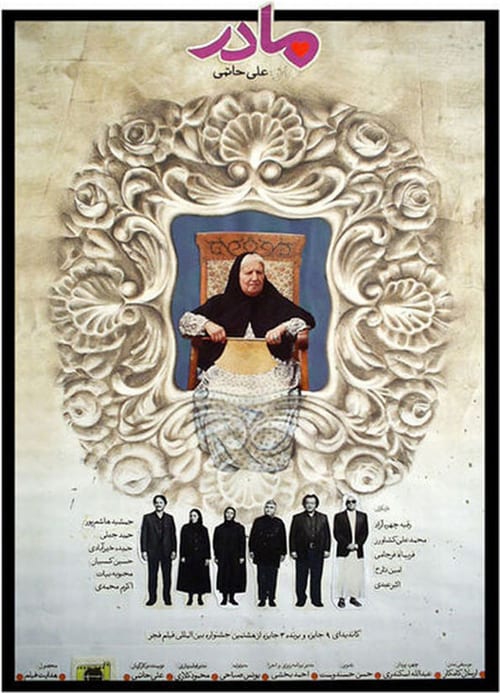
Synopsis
The film progresses along two distinct but interwoven series of events. The first series involves young members of a family who have gathered round their old mother and revive their common childhood memories. the second line focuses on the old woman’s preparations for her last journey and her joyous cooperation in arranging for the ceremonies that are to be observed after her death.
Introduction & Premise
Stepping into the world of classic Iranian cinema often reveals poetic meditations on family, mortality, and cultural heritage. Released at the close of 1990, Maadar (Mother), written and directed by the master auteur Ali Hatami, stands as a crowning achievement of the nation’s dramatic tradition. This cinematic masterpiece transcends conventional melodrama, weaving an intricate tapestry of love, reconciliation, and the inevitable passage of time.
Plot & Themes (Spoiler-Free)
The film’s narrative gracefully unfolds along two distinct yet deeply interwoven paths. The first follows the younger members of a large, estranged family as they gather around their aging matriarch. Within the warmth of the ancestral home, these adult children revisit common childhood memories, confronting old grievances and healing fractured bonds. The second narrative thread focuses on the mother herself, who calmly and lucidly prepares for her final journey. Rather than despairing, she approaches her impending passing with remarkable grace, actively participating in the joyous arrangements for her own post-mortem ceremonies.
Creative Vision & Direction
Ali Hatami is widely celebrated as the “Hafez of Iranian cinema” for his intensely lyrical dialogue and painterly framing. In Maadar, Hatami transforms a simple domestic gathering into a theatrical and visual feast. His direction marries Persian folklore, architecture, and poetic cadence, creating an environment where realism and romanticism effortlessly coexist. Every frame feels meticulously composed, paying homage to traditional Iranian lifestyle and familial devotion.
Performances & Cast Highlights
The film boasts a legendary ensemble cast representing the absolute pinnacle of Iranian acting talent. The poignant chemistry among the performers anchors the emotional weight of the story:
- Rogheyeh Chehreh-Azad delivers a career-defining performance as the titular mother, radiating quiet strength and serenity.
- Mohamad Ali Keshavarz brings immense dignity and depth to the family dynamics.
- Farimah Farjami, Amin Tarokh, Akbar Abdi, Hamid Jebeli, Jamshid Hashempour, and Hamideh Kheirabadi round out the phenomenal supporting roster, each embodying a distinct archetype of sibling rivalry, affection, and regret.
Production Background
Produced during an era of significant transition for Iranian cinema, Maadar showcases the meticulous art direction and costume design that became Hatami’s signature trademarks. The film was shot with an acute awareness of cultural rituals surrounding death and remembrance in Iran, turning what could have been a morbid subject into a celebration of life’s continuity and the enduring power of maternal love.
Why It’s Worth Watching / Critical Reception
Decades after its 1990 premiere, Maadar remains a touchstone of Iranian culture and a masterclass in ensemble drama. For global cinephiles and streaming audiences seeking profound emotional resonance, Hatami’s film offers an unforgettable cinematic experience. It reminds us that death is not merely an ending, but a final gathering point for reconciliation and enduring love. Essential viewing for anyone looking to understand the soul of classical Persian filmmaking.

Director

Cast