

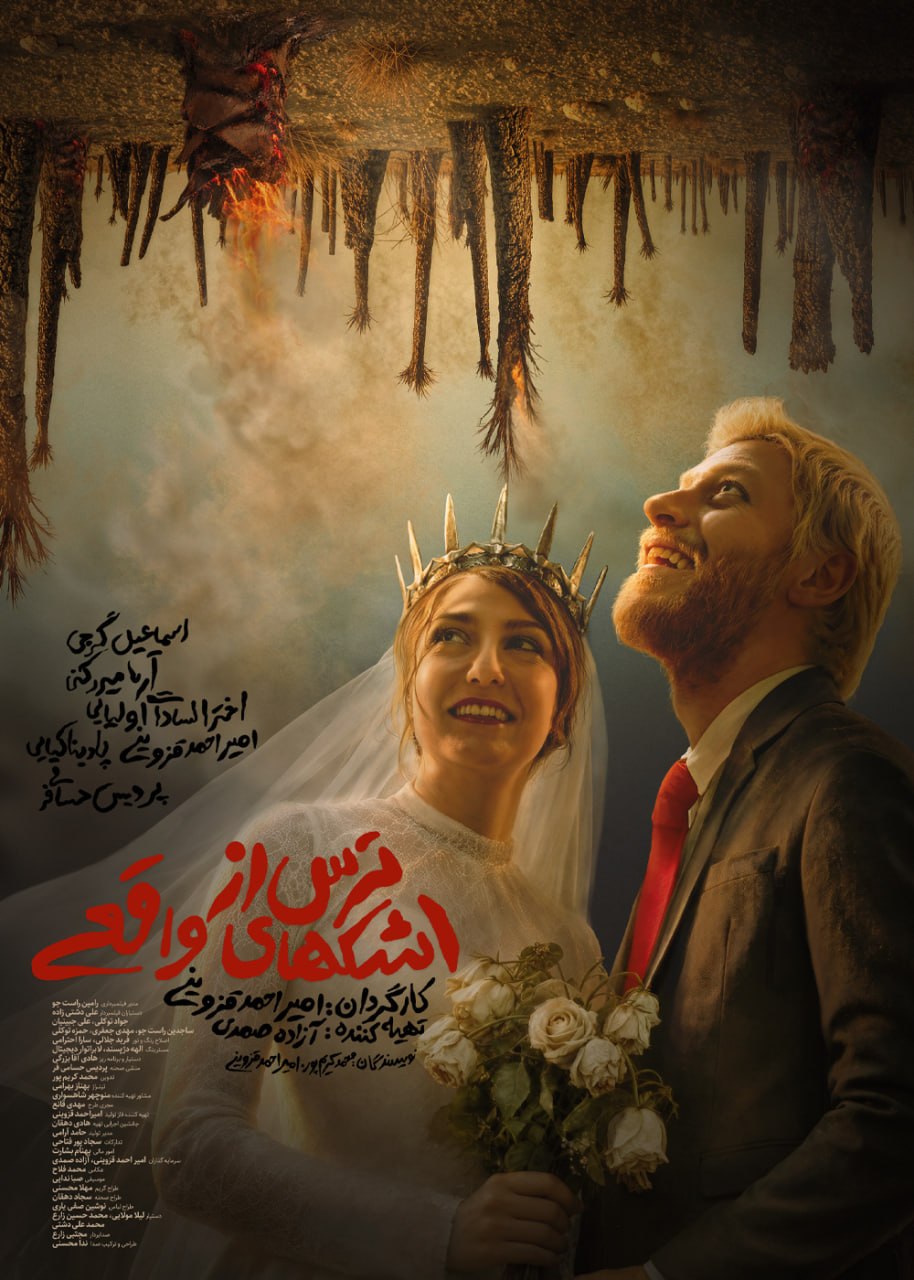
Synopsis
Ebrahim, the actor who plays Hamlet, becomes disillusioned and disappointed after the death of his father and decides to leave the acting scene. He sets off for his hometown of Yazd to find new meaning in life and art; a journey to confront the past and find a new miracle in life…
ابراهیم، بازیگری که نقش هملت را ایفا میکند، پس از مرگ پدرش دچار ناامیدی و سرخوردگی میشود و تصمیم میگیرد صحنه بازیگری را ترک کند. او برای یافتن معنایی دوباره در زندگی و هنر، راهی زادگاهش یزد میشود؛ سفری برای مواجهه با گذشته و یافتن معجزهای تازه در زندگی…
Introduction & Premise: A Soul-Searching Journey in Modern Iranian Cinema
In the contemporary landscape of Iranian independent cinema, stories that bridge the gap between theatrical artifice and raw, existential reality hold a unique resonance. Tars Az Ashk Haye Vaghei (known internationally under its Persian title ترس از اشکهای واقعی), directed by Amir Ahmad Ghazvini, offers a deeply reflective narrative about grief, artistic burnout, and spiritual renewal. Blending the timeless weight of classical theatre with the intimate landscapes of provincial Iran, the feature film invites audiences on a poignant journey of self-discovery.
Plot & Themes: The Burden of Hamlet and the Search for Meaning
The story centers on Ebrahim, a talented stage actor whose life shatters after the death of his father. Immersed in playing Shakespeare’s iconic Prince of Denmark—a role synonymous with existential questioning and paralyzing grief—Ebrahim finds himself utterly disillusioned. Unable to separate the fictional tragedy of Elsinore from his own profound loss, he makes the drastic decision to abandon the stage entirely.
Seeking a path toward healing, Ebrahim embarks on a soul-searching pilgrimage to his ancestral hometown of Yazd. Far from the bustling, artificial lights of the capital’s theatre district, the ancient, sun-baked alleys and quiet deserts of Yazd serve as a stark canvas for his emotional reckoning. This geographic and spiritual shift forms the emotional core of the film, exploring universal themes:
- The intersection of artistic performance and authentic emotional expression
- Coping mechanisms for generational loss and familial grief
- The therapeutic power of returning to one’s roots
- The elusive pursuit of a modern-day miracle to reignite passion for life
Creative Vision & Direction: Amir Ahmad Ghazvini’s Artistic Landscape
Director Amir Ahmad Ghazvini approaches the material with a painterly eye and a patient narrative rhythm. By juxtaposing the theatricality of Ebrahim’s previous life with the cinematic, sweeping vistas of Yazd, Ghazvini creates a compelling visual dichotomy. The architecture of Yazd—with its iconic windcatchers and labyrinthine mud-brick alleys—becomes a character in its own right, mirroring the internal maze through which Ebrahim must navigate his unresolved past.
Performances & Cast Highlights
The emotional weight of Tars Az Ashk Haye Vaghei rests heavily on its ensemble cast, led by Aria Mir Rokni in a demanding turn as Ebrahim. Mir Rokni captures the exhaustion of a man wearing a metaphorical mask for too long, slowly stripping away his defenses as he confronts the realities of his hometown. Supporting performances by Esmaeil Gorji, Padina Kiaei, and Pardis Hesami provide essential dramatic texture, grounding Ebrahim’s internal crisis in authentic interpersonal dynamics and shared histories.
Production Background & Cultural Resonance
Crafted within the vibrant ecosystem of modern Iranian drama, the production benefits from a keen attention to atmospheric authenticity. Sound design and cinematography work in tandem to evoke the auditory and visual stillness of Yazd, offering a stark contrast to the high-stakes emotional turbulence of the theatre world left behind in Tehran. It stands as a testament to the enduring vitality of regional storytelling in international cinema.
Why It’s Worth Watching
For cinephiles and enthusiasts of world cinema who appreciate character-driven narratives that dare to ask difficult questions, Tars Az Ashk Haye Vaghei is a mandatory watch. It avoids easy clichés about grief and art, offering instead a nuanced look at what happens when the curtain finally falls and an artist must face their true self. As a moving exploration of legacy, sorrow, and redemption, Ghazvini’s film leaves an indelible mark on the viewer long after the credits roll.
