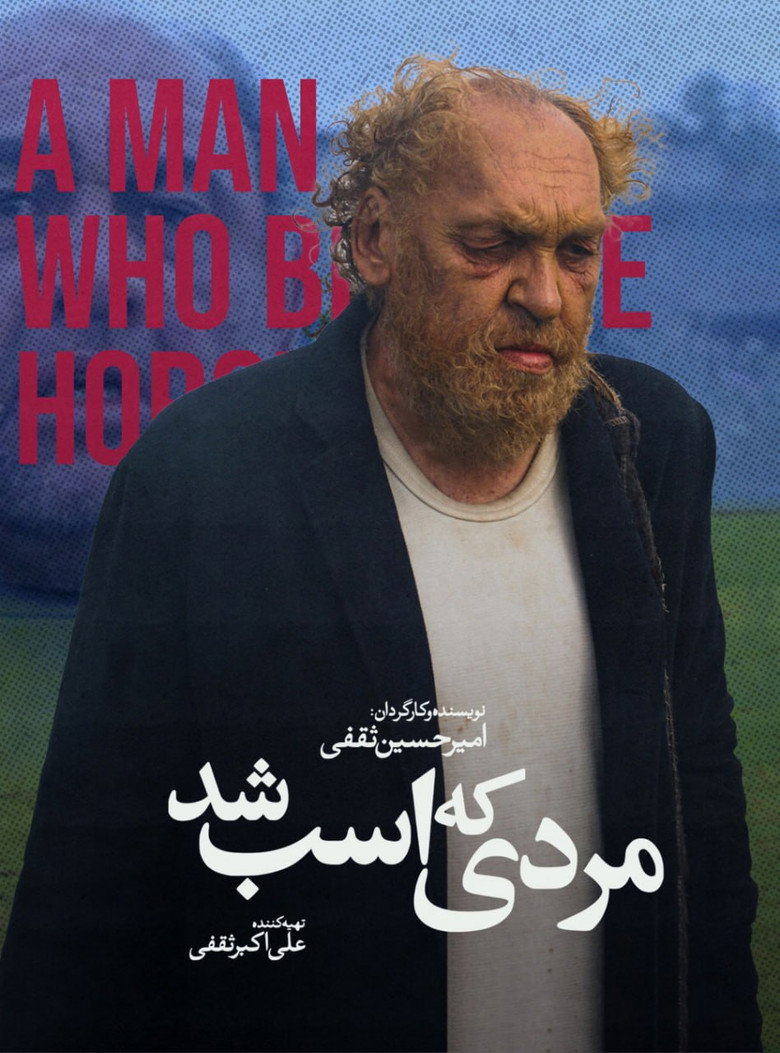
Synopsis
من دیگر نمیتوانستم بدون گاری راه بروم یا بایستم. اسب دیگر نمیتوانست بدون گاری بایستد یا راه برود. من دیگر نمیتوانستم…اسب…من…اسب…
Introduction & Premise
As international cinema continues to explore the complex, claustrophobic corners of human relationships, Iranian auteur Amirhossein Saghafi returns with a gripping new feature, Mardi Ke Asb Shod (The Man Who Became a Horse), slated for release on June 29, 2026. Steeped in poetic realism and psychological tension, this powerful drama examines the destructive nature of possessive love, isolation, and domestic tyranny within a remote, haunting landscape.
Plot & Themes (Spoiler-Free)
At the heart of the narrative is an aging, stubborn patriarch living isolated with his married daughter. Desperate to keep her tethered to him by any means necessary, the father wages a subtle yet terrifying psychological war against her autonomy. Consumed by a haunting longing for the past, the daughter finds solace in the last remaining legacy of her deceased mother: a magnificent horse. When the father, consumed by ferocious jealousy toward the animal, cruelly sets the horse free, it plunges his daughter into a state of profound despair.
The film explores profound thematic territory, including:
- The fine line between parental protection and emotional imprisonment.
- How grief and vulnerability manifest in isolated environments.
- Dangerous codependency and the desperate need to control those we love.
Creative Vision & Direction
Director Amirhossein Saghafi is known for his unflinching visual style and moody atmosphere, and Mardi Ke Asb Shod is no exception. Incorporating the evocative Persian refrain—“I could no longer walk or stand without the cart. The horse could no longer stand or walk without the cart. I could no longer… horse… I… horse…”—the film blurs the lines between man, beast, and burden. Saghafi crafts a harrowing power game where every framing choice accentuates the characters’ profound entrapment.
Performances & Cast Highlights
The emotional weight of the picture rests heavily on a stellar ensemble cast. While the late, great Levon Haftvan leaves an indelible cinematic footprint alongside veteran actor Mahmud Nazar-Alian, the film’s core dynamic is elevated by the compelling performances of Bahman Sadegh Hassani, Mahtab Saeedi, and Mazdak Mirabedini. They are further supported by Melissa Zakeri, Meysam Ghanizadeh, and Seyed Ahmad Mohammadi, whose combined efforts ground Saghafi’s heavy allegorical tale in raw, visceral human emotion.
Production Background
Produced within the rich, challenging tradition of independent Iranian cinema, Mardi Ke Asb Shod utilizes sparse dialogue and sweeping, naturalistic cinematography to amplify its central conflict. The production makes brilliant use of desolate geography to mirror the internal barrenness of its characters, ensuring that the environment itself acts as a silent, oppressive antagonist.
Why It’s Worth Watching / Critical Reception
Poised to make waves upon its June 2026 debut, Mardi Ke Asb Shod is essential viewing for cinephiles tracking the evolution of contemporary Middle Eastern drama. It avoids easy moralizing, instead inviting audiences into a frighteningly intimate portrait of domestic control and heartbreak. For fans of masterclass acting, atmospheric storytelling, and psychological depth, Saghafi’s latest cinematic offering promises to linger in the mind long after the credits roll.
Director