Synopsis
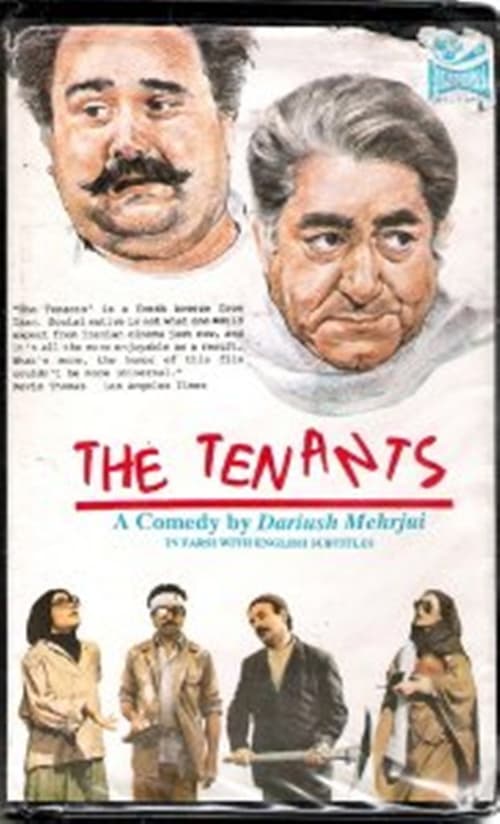
A satirical comedy about the oddball inhabitants of a Tehran apartment building and their landlord.
Introduction & Premise
Released on February 1, 1987, Ejareh Neshin ha (known internationally as The Tenants) remains a towering achievement in Iranian cinema. Directed by the visionary Dariush Mehrjui, this seminal feature blends sharp satirical comedy with poignant social drama. Set within a crumbling apartment building on the dusty outskirts of Tehran, the film uses a seemingly simple domestic dispute to mirror the broader economic anxieties, bureaucratic absurdities, and human frailties of post-revolutionary urban life.
Plot & Themes (Spoiler-Free)
The narrative centers on a dilapidated apartment block whose residents are locked in a perpetual struggle against structural decay and a deeply dysfunctional property management system. When the building’s owner dies without leaving a clear will, a greedy, scheming real-estate agent attempts to exploit the situation and force the tenants out. What follows is a chaotic escalation of DIY repairs, bureaucratic red tape, and escalating neighborly feuds. Mehrjui masterfully uses the decaying building as a metaphor for a society on the brink, exploring themes of greed, housing scarcity, communal friction, and the resilience of ordinary people.
Creative Vision & Direction
Dariush Mehrjui, one of the founding fathers of the Iranian New Wave, demonstrated his extraordinary versatility by turning a domestic comedy into a biting socio-political critique. Rather than relying on overt political rhetoric, Mehrjui roots his satire in physical comedy, meticulous framing, and authentic cultural observations. His direction transforms a cramped, crumbling set into a dynamic stage where the absurdities of everyday life are magnified to hilarious yet tragic proportions.
Performances & Cast Highlights
The film boasts an ensemble cast of Iranian cinema legends who deliver pitch-perfect comedic timing and deeply grounded performances:
- Ezzatolah Entezami as the crafty, unscrupulous landlord/administrator.
- Akbar Abdi, bringing brilliant physical comedy and vulnerability to the screen.
- Ferdous Kaviani and Farimah Farjami, anchoring the tenants’ collective plight with relatable anxiety and charm.
- Additional stellar contributions from Hamideh Kheirabadi, Hossein Sarshar, Manouchehr Hamedi, Siavosh Tahmoures, Yarta Yaran, and Ali Naghi Kani.
Production Background
Produced during a turbulent era in Iran’s cinematic history, Ejareh Neshin ha broke away from the solemn, minimalist art-house dramas that frequently dominated international film festivals at the time. Instead, Mehrjui embraced a commercial yet intellectually rigorous style. The meticulous set design of the deteriorating apartment building became a character in its own right, reflecting the immense logistical challenges and creative ingenuity of the crew.
Why It’s Worth Watching & Critical Reception
Decades after its 1987 premiere, Ejareh Neshin ha continues to rank near the top of polls for the greatest Iranian films ever made. It offers modern international audiences a rare, entertaining window into Tehran’s social fabric while maintaining universal themes regarding housing, capitalism, and community. Whether you are a dedicated cinephile exploring Middle Eastern cinema or a fan of sophisticated satire, Mehrjui’s timeless classic is an absolute must-watch streaming experience that remains as funny and relevant today as it was over thirty years ago.
Director